

By Our Correspondent
Comrade Abayomi Arabambi and Prince Awofala has demanded ₦60 billion Naira each in damages from the Ogun State Chairmen of the Young Progressives Party (YPP) and Boot Party over what they described as “false, malicious, reckless, injurious and defamatory” allegations made against them in connection with the 2027 Ogun State governorship litigation.
Arabambi and Awofala through their solicitors, Lex Fortis LP, issued the demand in a pre-action letter dated September 15, 2026, addressed to the Chairman of the Boot Party in Ogun State, Arch. Akerele Abiodun John
The letter also named Hon. Adeyemi Solomon Oluwaseyifunmi, Chairman of the YPP in Ogun State, as a principal defendant in the dispute.
According to the lawyers, the two party chairmen allegedly made and disseminated statements linking Arabambi and Awofala to alleged “connivance” with legal representatives, misrepresentation of the position of parties, intimidation, threats, undue pressure, surveillance and harassment.
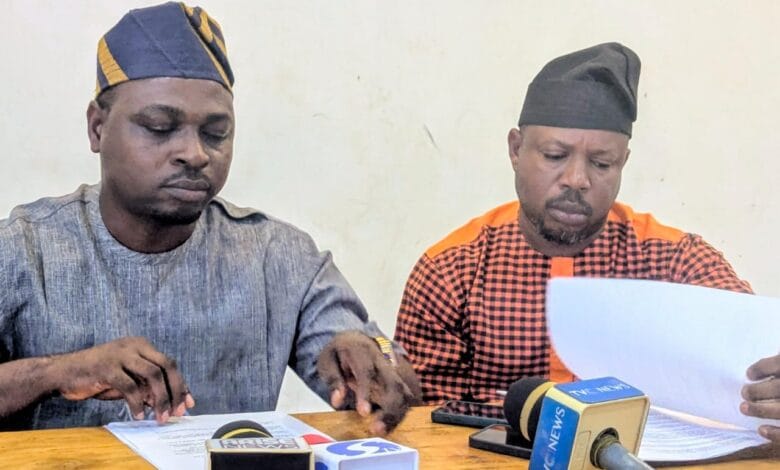
The allegations were reportedly made during a media briefing on September 9, 2026, concerning the discontinuance of proceedings connected with the 2027 Ogun State governorship contest.
The solicitors said the allegations were subsequently published by news organisations under the headline: “OGUN 2027: YPP, BOOT PARTY REJECT WITHDRAWAL OF SUIT, ACCUSE YAYI CAMP OF MISREPRESENTATION.”
Counsel to Arabambi and Awofala said the publication significantly widened the reach of the allegations and caused serious injury to their reputation, public standing, credibility and relationships build over 30 decades
The legal team stated that the “natural and ordinary meaning” of the allegations was that Arabambi and Awofala were dishonest, interfered improperly with judicial proceedings, intimidated or harassed persons, exerted improper pressure on litigants and engaged in conduct inconsistent with the administration of justice.
Arabambi and Awofala , however, categorically denied the allegations.
According to the letter, they denied threatening, intimidating or harassing either of the party chairmen, applying undue pressure on them, procuring or inducing the discontinuance of any proceedings, conniving with counsel to misrepresent their position or engaging in surveillance or other improper conduct.
The solicitors further argued that the dispute over the authority for the discontinuance of the case was fundamentally a matter that could be determined through court processes, records of proceedings, the authority of counsel, instructions given to lawyers and applicable law.
They maintained that such a dispute did not, without supporting evidence, establish that Arabambi and Awofala committed the alleged acts.
The lawyers accused the defendants of acting with malice, arguing that Arabambi ans Awofala were publicly named despite what they described as the absence of a demonstrated factual basis for the allegations.
They also contended that the allegations were made in the context of a politically charged dispute and presented to the media as factual assertions.
Arabambi and Awofala Counsels said the allegations relating to intimidation, surveillance, threats and undue pressure were particularly serious, adding that no evidence substantiating them was produced at the reported press conference.
Consequently, the lawyers demanded the immediate retraction of all allegations against their client, a full and unequivocal public apology and publication of the apology with substantially the same prominence and reach as the allegedly offending publication.
They also demanded the removal of offending publications and social-media posts within the defendants’ control, an undertaking not to repeat the allegations and preservation of all documentary and electronic evidence relating to the matter.
The law firm gave the defendants 48 hours from receipt of the letter to provide the factual basis for each allegation if they intended to maintain their position.
It specifically requested details of alleged incidents, including the identities of persons allegedly intimidated, dates and locations of incidents, the precise words or conduct relied upon, documents, recordings, surveillance details and communications with alleged sources.
The solicitors warned that failure to comply with the demands would lead to the institution of legal proceedings against the defendants and other persons found legally responsible for the publication.
Such proceedings, the letter stated, could seek substantial, aggravated and, where legally sustainable, exemplary damages, permanent injunctive relief, publication of a correction and apology, costs and other appropriate orders of the court.
The lawyers also placed the defendants on notice to preserve all relevant evidence, including drafts, recordings, WhatsApp messages, emails, correspondence, photographs, videos, social-media posts, metadata, website analytics and editorial communications.
The letter described the action as a formal pre-action demand and said Arabambi’s and Awofala reputation were “not a political bargaining instrument.”
It added that although the client remained willing to consider an appropriate settlement without litigation, the solicitors maintained that a full retraction, unequivocal apology and satisfactory monetary settlement would be required.
The ₦120b billion demand is therefore subject to any subsequent determination of liability and quantum by a competent court should the matter proceed to litigation.