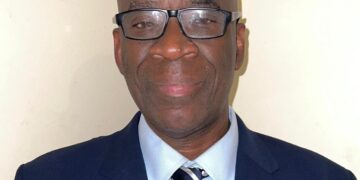

A Labour Party chieftain, Dr Abayomi Arabambi, has described Nigeria’s former petrol subsidy regime as an “organised fraud”, arguing that although its removal imposed significant hardship on Nigerians, ending the system was necessary to stop what he described as the alleged misuse of public resources.
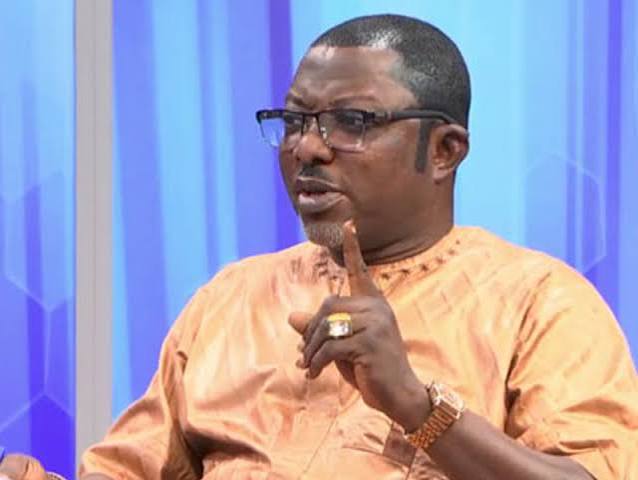
Arabambi stated this on Thursday, October 8, 2026, while speaking on Frontline, a current affairs programme on Eagle 102.5 FM, Ilese-Ijebu, Ogun State, where he discussed fuel subsidy, crude oil management, local refining, the Dangote Refinery and the economic consequences of the policy.
According to him, the debate over subsidy should not be reduced to whether it should simply be removed or retained, but should focus on the manner in which the regime was operated and the alleged fraud associated with the importation and pricing of petroleum products. He argued that the subsidy system allowed some individuals and companies to impose additional costs on the country while government borrowed money to sustain the arrangement.
“Yeah, I said everybody said subsidy should stay. Subsidy should stay because it was a scam. Do not forget the former president… he shouted a lot… originally, some people, you know, that was just doing like a fraud with our money and as I was saying, if you did not remove subsidy, it was just because they want to superimpose extra cost to keep you at that price”
Arabambi questioned the difference between the landing cost of imported petrol and the subsidised price Nigerians were made to pay, arguing that the system created room for additional claims against government. He said the country needed to examine what happened to the different components of crude oil when Nigerian crude was exported for refining.
“Before, before May 29, let me tell you something. The difference between the landing cost and the cheap price… and let me tell you something, a barrel of crude when it is shipped outside — a barrel is at least 200 litres — they will come back with only petrol. That is Nigeria. Where are the other components? The kerosene, the cooking gas, the diesel, the bitumen, can you tell me? Where are they?”
He argued that Nigeria could not continue exporting crude and accepting only petrol in return while paying importers for the difference in the alleged cost of bringing the product into the country. Arabambi questioned why the other components derived from the same crude were not properly accounted for under the arrangement.
“They will come back to Nigeria to say oh, we bought at this, come and pay us the difference. Is it only petrol that is the only component of crude? No”
The Labour Party chieftain further alleged that the subsidy regime created room for fraudulent practices, including the importation of products that he claimed were not genuine petroleum products. He said the country was effectively borrowing money to sustain a system he described as fraudulent.
“Look at the nation, Nigerians, we are just making some people rich. Some of them will even go and bring dirty water into Nigeria and say it is fuel. It is fraud. And now they will now be collecting the difference. We are now even borrowing money to pay for subsidy. We are borrowing money to pay for nothing. We are borrowing money to pay for fraud. So why is it wrong to remove it?”
Arabambi therefore questioned the arguments of politicians who are now proposing different forms of subsidy ahead of the 2027 general elections. He said Nigerians should first understand what is being described as subsidy before deciding whether the policy should be retained.
“So everybody is saying oh, I will remove subsidy… Some of them say oh no, I will use the subsidy… I have to ask you, what is the subsidy?”
He also drew attention to the Dangote Refinery, arguing that the emergence of a major private refinery had changed the dynamics of Nigeria’s petroleum sector. Arabambi alleged that some interests had attempted to compel the Dangote Refinery to operate within an arrangement he considered part of the old system.
“We have Dangote refinery here. One of them is talking about how to return our moribund refineries in conjunction with Dangote. You saw one of them went to Dangote — no, no, this is an organized fraud. You saw one of them went to Dangote, oh, that’s the other person that you must come and join them. The man said no, until when they… go to other subsidiary, they work in our refinery… the man has to by force… Is that so?”
He continued by alleging that vested interests remained around the petroleum sector and described the situation as part of the organised fraud he believes characterised the subsidy regime.
“They are still around… When you bring all of them, I say no, you have to go and… That is where they call organized fraud.”
Arabambi credited former President Muhammadu Buhari with identifying what he described as the problems surrounding the subsidy system, saying the former President recognised that the arrangement was being used to drain Nigeria’s resources. He also acknowledged the decision of President Bola Ahmed Tinubu to remove the subsidy.
“And the hero is the former President, Buhari, because he saw it that they are just… a personified organized crime. They are only milking Nigeria” He said.
He, however, acknowledged that the immediate consequence of subsidy removal was an increase in the actual cost of petroleum products. According to him, Nigerians would have to contend with the real cost in the short term, while increased domestic refining and supply could eventually bring prices down.
“Nigerians should not forget, when that is done, the actual cost will now come into being, which you know will now come high. But when we are now able to stabilize the economy, we have more refineries. Because in a simple economy, when we have supply… what will happen? The cost will come down”
Arabambi urged the government to encourage further investment in the petroleum sector, arguing that increased production and competition would help moderate prices. He said the government should continue supporting investors capable of increasing local supply.
“That is what this President is trying to do. Let us encourage more investors to come and show, so that when you can produce more…”
He also criticised what he described as the previous government’s handling of the relationship between the government and the Dangote Refinery, contrasting it with what he considered a better approach under the present administration.
“Before, the other man was ignored. Look at the time they exhibited themselves with Dangote, oh, this is how much we are going to be selling, we will now sell to you… The President now got it and exhibited it better, this is what he should be doing.”
The Labour Party chieftain further raised concerns about Nigeria’s crude oil management, alleging that the country had committed future crude production because of the way crude was being used to settle obligations connected with petroleum imports. He said Nigeria should examine whether the crude being lifted abroad was being properly accounted for.
“Do you know that because of this, Nigeria has sold our crude up to 2030 because of this crude management? Because we are just paying the people bringing this oil, we are using our crude to pay them, our crude in advance, and they are not doing anything.”
Arabambi called for a government inquiry into companies involved in lifting Nigerian crude abroad, saying such an investigation should establish what happened to the other components derived from the crude. He specifically mentioned kerosene, diesel, asphalt and other petroleum products that he believes should be properly accounted for.
“I have expected the President to institute a panel of inquiry — every person, every company that is picking our crude abroad, where is the kerosene? Where are the other components? The asphalt, the petroleum, the diesel… Where are they? You should go and bring it. You should not just bring petrol.”
He proposed that the petroleum products returned to Nigeria should be properly linked to the crude supplied for processing rather than creating another financial burden for the country. According to him, the value of the crude and its different components should be accounted for before importers make further claims against the government.
“I have expected that when you say you sell crude abroad, this should have been the component that they will now use as payment for the petrol, so that they will bring that petrol back to them free of charge.”
Arabambi argued that the existing arrangement had contributed to pressure on Nigeria’s finances, including its external reserves, because crude was allegedly being used in advance to settle obligations. He said the country should not continue borrowing to fund what he considers an inefficient petroleum importation system.
“But they will come back, they will now come with their own claims against Nigeria, that you are borrowing money, you depleted our external reserve, we are now selling our crude oil to people on credit… Oh, as we are taking crude oil after collecting…”
On the broader economic consequences of subsidy removal, Arabambi acknowledged that Nigerians were facing hardship but argued that the country should focus on increasing productive capacity rather than relying on palliatives. He said industrialisation and the return of manufacturing companies would be more sustainable ways of creating employment.
“When you have influx of manufacturing companies, that is when employment will be made available. You cannot sit at home and be expecting palliative.”
He maintained that increased local refining, greater petroleum supply and a stronger industrial base could eventually reduce costs and stabilise the economy. Arabambi therefore urged Nigerians to look beyond the immediate pain of subsidy removal and assess whether the reforms could create a more sustainable economic structure.
The discussion also comes against the backdrop of renewed political arguments over fuel subsidy ahead of the 2027 general elections, with presidential candidates and political parties proposing different approaches to petrol pricing. While some have argued for targeted subsidies or measures to reduce the pump price, others have focused on domestic refining and the use of Nigeria’s crude for local consumption.
Former Labour Party presidential candidate Peter Obi, who campaigned in 2023 on a promise to remove fuel subsidy, has more recently argued for retaining a form of subsidy if corruption within the system can be eliminated. Former Vice-President Atiku Abubakar has also proposed a targeted subsidy arrangement, while Peoples Redemption Party presidential candidate Donald Duke has promised to bring petrol prices down to about N300 per litre through domestic crude allocation.
Those proposals, however, remain part of the wider political debate over how Nigerians should access affordable petroleum products, while Arabambi’s central argument remains that the country must address what he described as the structural corruption and inefficiencies that surrounded the old subsidy regime.
The Labour Party chieftain said the ultimate objective should be to build an economy where increased refining capacity, domestic production and greater supply can naturally bring down prices rather than relying permanently on government intervention. He maintained that once supply increases and the economy stabilises, the actual cost of petroleum products could eventually fall.