

British defence chiefs reveal major cost in deadly drone war-fighting capability as they gear up to fight Russian aggression with a possible attack on a NATO country possible by 2030.
Keir Starmer has said the UK will be prepared for war with Russia as he unveiled a £15billion military spending boost for the next four years.
Defence chiefs are racing to arm-up in readiness to defend against Russian attack, with new land, sea and air drones, stealth fighter-bomber jets and surveillance craft, a troop recruitment drive and deep-strike missiles.
But the long-awaited Defence Investment Plan (Dip) leaves a headache for Prime Minister-in-waiting Andy Burnham as the small print revealed £4.7bn – almost a third of the cash – will need to be funded in the Budget. It is understood that Mr Burnham was not told about the black hole when he was briefed on the plans, which experts said could force him to consider tax rises, more borrowing or spending cuts.
And former Defence Secretary John Healey warned it fell short of what was needed to see off the threat from Vladimir Putin. He said Britain will “still be spending just 2.7 per cent of GDP in 2030, the date when Nato has warned we could face a Russian attack”.
Documents confirmed that £298bn will be invested in defence over the next four years to “move the UK towards war-fighting readiness, modernising military capability to fight the wars of the future and drive economic growth”.
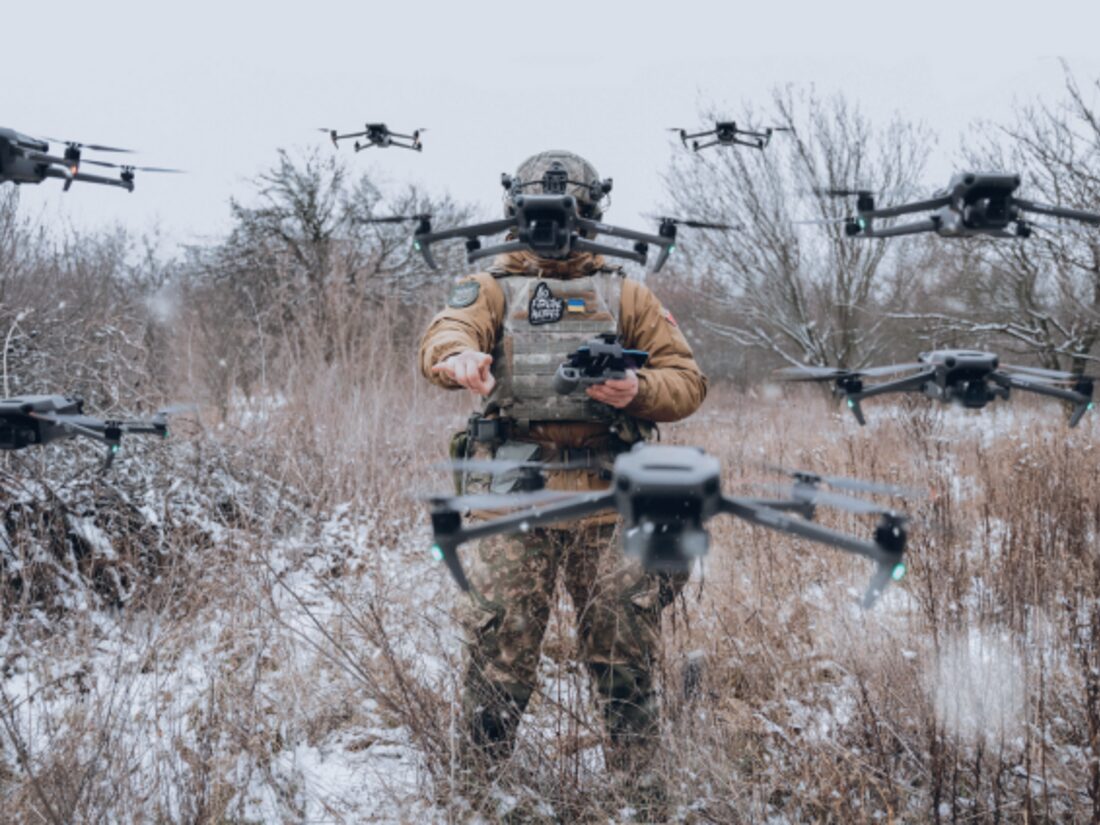
Under the plans, the UK nuclear deterrent gets £47bn, including £13bn for warheads, £1.7bn for nuclear fuels and £290million for specialist training on our nuclear submarines. Hundreds of millions of pounds will be pumped into ‘robot warfare,’ forming new squadrons and fleets of unmanned drones to support army and air force fighters and helicopters and warships.
And Special Forces heroes in the SAS, SBS and Special Reconnaissance Regiment will get millions of pounds in new investment to help them launch covert missions.
In the plan, defence chiefs warned: “The world has changed in the last 12 months. Demands on defence are rising. President Putin’s aggression is growing around our shores, in the High North, across Europe and in Ukraine.
“NATO is now warning Russia could be ready to use military force against the Alliance by the end of this decade. The Iran war has fundamentally changed the Middle East and reinforced the priority on Integrated Air and Missile Defence.” And it warns that: “… we need a new era for Defence investment…”
It comes after years of Tory-led defence cuts slashed troops numbers and hollowed out all three services, the Army, Royal Navy and RAF. Unveiling the plan in one of his final acts as Prime Minister, Mr Starmer said he was proud to have reversed that trend.
Mr Starmer insisted his £15bn promise was enough to keep Britain safe despite demands from defence chiefs for £28bn. He acknowledged some other areas of Government spending would be slashed in order to fund defence, with cuts to road and energy projects to pay for the military.
Asked if the UK would be ready to take on Vladimir Putin by 2030 if necessary, the PM said: “Yes, I can, and that is because of the increasing defence spending we put in place last year already in place, which was the single biggest sustained increase since the 1980s.”
He added: “When the world is arming and aggression is rising, the best way to avoid war is to prepare for it. The best way to defend is to deter, to have the strength to make your adversaries think again before they act. And that is what we are doing.”
But Mr Healey, who quit as Defence Secretary over funding for the plan, said the Government needed to move faster to increase spending. He said Britain will only spend 2.7% of GDP on defence in 2030 – and a timetable must be set for hitting the PM’s promises to hit 3% and a Nato commitment of 3.5%.
B
His successor Dan Jarvis, who has been locked in funding talks since taking over, also admitted the Government would need to spend more. He told MPs: “We will need to spend more on defence, and that is why there was a clear commitment that that will be a number one priority at the next spending review.
“We have an absolute obligation to our armed forces and to our allies.”
It puts Mr Starmer in a bind ahead of next week’s Nato summit with world leaders including Donald Trump, who has long pressured the UK and European allies to commit more to defence spending.
The Dip was due for publication in the autumn but was delayed amid a deadlock between the Treasury and the Ministry of Defence.
Mr Starmer acknowledged “wrangling” between Government departments and the Treasury but defended Chancellor Rachel Reeves, saying: “At the end of the day, the Prime Minister and the Chancellor have to look at the overall judgments for the Government, the overall affordability and prioritise between different things.
Ms Reeves, who attended the launch, said £10.3bn of the promised £15bn had so far been found but admitted more cash needed to be identified.
In a written ministerial statement, the Chancellor said: “This package has been funded by reprioritising public spending, acting within our fiscal rules and without taking resources away from day-to-day spending on frontline services.
“It is funded primarily by reallocating budget from across government departments, with £10.3bn identified now. A further £4.7bn over four years will be confirmed at Budget 2026, in a fair and balanced way.”
Meanwhile, Foreign Office minister Hamish Falconer criticised “uncertainty” over a road project near his constituency following the announcement some construction projects would be scrapped to pay for increased defence spending.
Officials said cuts to MoD civil servant staffing may help fund the rise, and greater use of technology and digital tools will also help to make savings. One told the Mirror: “The ambition is to make these efficiencies so that the department is better at putting a greater proportion of our budget going to our war-fighting. If more money is saved it can be released to go into our military.”
Military experts branded the blueprint “a sugary hit of headline-grabbing announcements” and demanded a target date for the promise to hit 3% of GDP on defence.
Max Warner, a senior research economist at IFS, said: “Notably, the government has not set out how it will pay for around a third of this increase – an average of £1.2 billion each year – leaving this decision to be made at the Budget later this year.
“This means there will be further impacts on other areas of spending, tax or borrowing on top of those set out in today’s announcements – implying one key early decision for the next Prime Minister.”
He added that the UK faces more pressures ahead if it is to get to 3.5% of GDP spent on defence in 2035, which he said will cost around an additional £25billion each year.
Matthew Savill, Director of Military Science at defence and security think tank Royal United Services Institute, said: “The Defence Investment Plan offers a sugary hit of headline-grabbing announcements that will drive much of the initial discussion.
“But on first inspection, there will inevitably be dissatisfaction with many of the answers it provides.
“Most politically challenging, while the Government has reaffirmed its commitment to the NATO target of 3.5% of GDP by 2035, there is no detail on how this will be achieved, only a statement on reaching 3% at some point in the next Parliament.
“Regardless of how increased investment is allocated, it will be hard for the UK to demonstrate leadership in Europe and satisfy the US if no one believes it will be as good as its word.”
Source: Daily Mirror